 By Jorge Lee
Maintaining a car in optimal condition requires not only regular servicing but also the timely replacement of certain parts. Over time, various components of a vehicle endure significant wear and tear due to constant usage, environmental factors, and normal aging processes. Understanding which car parts are prone to failure through extensive use is essential for vehicle owners who aim to prolong the lifespan of their automobiles.
In this article, we will explore the top ten car parts that frequently require replacement. From the engine to the braking system, every segment of your vehicle plays a critical role in its performance and safety. Recognizing these key components not only helps in planning maintenance schedules but also prevents unexpected breakdowns and costly repairs down the line.
Stay informed about the essential car parts that may need replacement, and equip yourself with the knowledge required to make informed decisions about your vehicle’s upkeep. Understanding these common issues can save you time, money, and the stress associated with unexpected car troubles.
Identifying Signs of Worn Out Brake Pads
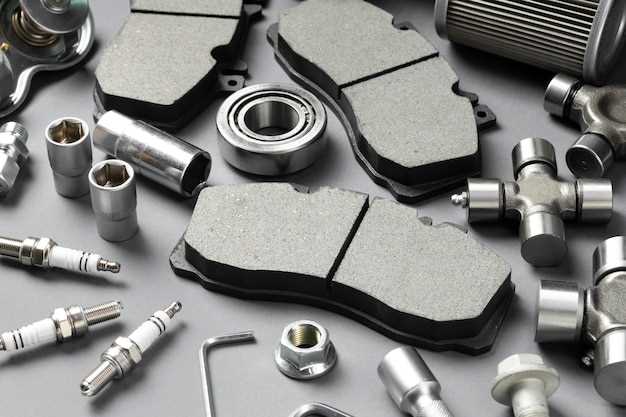
Brake pads are essential car parts that require timely replacement to ensure safety and optimal performance. One of the first signs of wear is a high-pitched squealing noise that occurs when the brakes are applied. This sound indicates that the brake pads have worn down to a level that may cause damage to the rotors if not addressed promptly.
Another common indicator of worn-out brake pads is a grinding noise. This occurs when the pads are severely depleted, exposing the metal backing. If you hear this grinding sound, it’s crucial to replace the brake pads immediately to avoid further damage to other braking components.
Additionally, drivers may experience a vibration or pulsation in the brake pedal when applying the brakes. This sensation can indicate uneven wear on the brake pads or issues with the rotors, signaling the need for replacement parts and potential maintenance.
Furthermore, paying attention to how the brakes feel is vital. If the brake pedal feels softer or goes closer to the floor than usual, this may suggest that the brake pads are worn out, or there may be a leak in the braking system requiring immediate attention.
Lastly, indicators such as longer stopping distances or the car pulling to one side when braking can also signify worn brake pads. Regularly inspecting these signs is crucial for maintaining vehicle safety and performance. If any of these symptoms are present, it is advisable to consult a professional mechanic for a thorough inspection and necessary replacements of brake pads and other related car parts.
Choosing Quality Replacement Parts for Your Vehicle
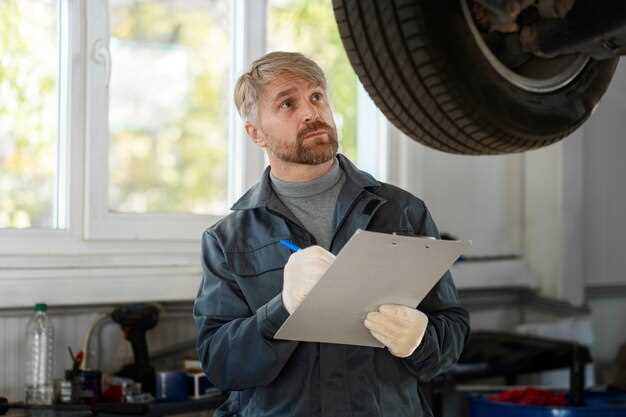
When it comes to vehicle maintenance, selecting the right replacement parts is crucial for ensuring optimal performance and longevity. High-quality parts can prevent further damage and reduce the frequency of future repairs.
First, always consider the manufacturer’s specifications. Using original equipment manufacturer (OEM) parts guarantees that the replacement will meet the exact standards required for your vehicle. OEM parts are designed specifically for your make and model, ensuring a proper fit and functionality.
If OEM parts are not accessible, aftermarket parts can be a viable alternative. However, it’s essential to research the supplier’s reputation. Look for reviews and ratings from other consumers to ensure that the parts are reliable and durable. Some aftermarket options may offer enhanced performance features, but it’s important to verify quality before making a purchase.
Another critical factor is the warranty associated with the replacement parts. A solid warranty indicates confidence from the manufacturer regarding the part’s lifespan and performance. This can provide peace of mind and potential cost savings in the long run.
Investing in quality parts not only supports effective vehicle maintenance but also contributes to your safety on the road. Inferior parts may compromise the performance of your vehicle, leading to hazardous driving conditions. Therefore, prioritize quality over cost when it comes to replacement parts.
Lastly, consult with a trusted mechanic for recommendations based on their experience. They can guide you in selecting parts that align with your vehicle’s needs and your maintenance budget.
Tips for Extending the Life of Your Car Batteries
Proper maintenance of your car battery is essential for ensuring its longevity and optimal performance. Regularly check the battery terminals for corrosion, as this can impede electrical flow. Cleaning the terminals with a mixture of baking soda and water can help maintain a good connection.
It’s important to keep your battery fully charged. Frequent short trips can prevent the battery from reaching a full charge, leading to sulfation, which shortens its lifespan. Consider using a trickle charger if you don’t drive your vehicle often.
Inspect the battery and its surroundings for any leaks or damage. A leaking battery can cause serious damage to other parts of the car. Make sure the battery is securely mounted; vibrations from driving can affect its integrity over time.
Extreme temperatures can impact battery performance. If you live in areas with harsh winters or scorching summers, consider investing in a battery insulated cover or park your car in a garage to minimize temperature fluctuations.
Lastly, regularly test your battery’s voltage and perform load tests to identify any potential issues early. This proactive approach can save you from being stranded and help prolong the life of your car battery.