 By Jorge Lee

The catalytic converter plays a crucial role in your vehicle’s emissions system, helping to reduce harmful pollutants and converting them into less harmful gases before they are released into the atmosphere. Recognizing the signs of a failing catalytic converter is essential for maintaining your vehicle’s performance and ensuring compliance with environmental regulations.
One of the most significant indicators of a failing catalytic converter is a noticeable increase in emissions. If your car is producing more exhaust fumes than usual or if you observe a strong odor of rotten eggs, it may signal that the converter is not functioning properly. These emissions issues not only affect your vehicle’s efficiency but can also lead to legal penalties and higher repair costs if left unaddressed.
In addition to emissions problems, you may experience a decrease in engine performance. A clogged or malfunctioning catalytic converter can restrict exhaust flow, leading to a drop in acceleration, unusual engine noises, or stalling. If you notice any of these symptoms, it’s crucial to have your vehicle inspected promptly to avoid further damage.
Decreased Engine Performance and Power Loss
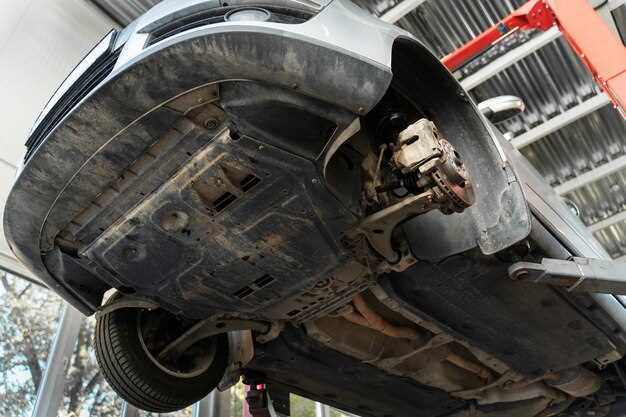
One of the most noticeable signs of a failing catalytic converter is a significant decrease in engine performance. When the catalytic converter becomes clogged or damaged, it can restrict the flow of exhaust gases, leading to a variety of performance issues.
Drivers may experience reduced acceleration as the engine struggles to expel exhaust, creating back pressure. This can manifest as sluggishness when attempting to speed up or overtake other vehicles. When the exhaust flow is impeded, the engine may not operate efficiently, leading to power loss that can affect driving experience.
Additionally, a failing catalytic converter can impact the overall fuel efficiency of the vehicle. As the engine works harder to compensate for the restriction, it can lead to increased fuel consumption. This not only affects performance but also increases emissions, as the vehicle may struggle to meet regulatory standards due to improper combustion.
If you notice a loss of power or diminished engine performance, it’s essential to have the catalytic converter inspected. Ignoring these signs can lead to further complications that may require costly repairs, as well as fines for exceeding emissions regulations.
Increased Emissions Warning Light Activation

One of the most significant indicators that your catalytic converter may be failing is the activation of the increased emissions warning light on your dashboard. This light typically illuminates when the vehicle’s onboard diagnostic system detects a rise in emissions levels beyond acceptable limits. The primary function of the catalytic converter is to convert harmful gases from the engine into less harmful substances before they are released into the atmosphere. When this component begins to fail, it may not adequately perform its job, leading to an increase in harmful emissions.
The increased emissions warning light serves as an alert to the driver that there is a potential issue with the emissions control system. In many modern vehicles, the engine control unit (ECU) constantly monitors various sensors, including those related to the catalytic converter. If the ECU identifies abnormalities such as inefficient processing of exhaust gases, it triggers this warning light.
Ignoring this warning can lead to serious consequences, including the possibility of failing emissions inspections and incurring fines. Furthermore, driving with a malfunctioning catalytic converter can contribute to increased pollution and possible engine damage. If you notice the increased emissions warning light has activated, it is advisable to have your vehicle inspected by a professional mechanic as soon as possible.
Unusual Noises and Smells from the Exhaust System
One of the early indicators of a failing catalytic converter is the presence of unusual noises emanating from the exhaust system. If you notice a loud, rattling sound when starting your car or while accelerating, this could signal that the internal components of the converter are damaged or dislodged. A malfunctioning catalytic converter may produce a distinct sound due to debris or a broken substrate inside, which should prompt immediate inspection.
Additionally, unusual smells can also indicate issues with the catalytic converter. A strong, rotten egg odor often denotes that your converter is not effectively processing exhaust gases. This scent usually arises from an accumulation of unburnt fuel in the system, which leads to the production of hydrogen sulfide–an unmistakable byproduct of a failing converter. If you detect this smell, it’s crucial to have your vehicle examined, as it may indicate inefficiencies in the exhaust system that can cause further damage.
If your car emits a fuel-like odor, it may suggest that the catalytic converter is not functioning properly. This occurs when unburnt fuel enters the exhaust system, overwhelming the catalytic converter’s ability to neutralize harmful emissions. Not only does this issue compromise environmental standards, but it can also lead to reduced engine performance and increased fuel consumption.
Both sounds and smells are critical cues alerting you to potential problems within your vehicle’s exhaust system. Addressing these indicators promptly can help avert costly repairs and ensure your catalytic converter continues to operate efficiently.