 By Jorge Lee

When it comes to marine maintenance, ensuring safety is paramount. Regular inspection and upkeep of your boat not only prolong its lifespan but also protect those who enjoy the water. However, the various tasks involved in boat maintenance can present unique hazards, making proper safety gear an essential part of your toolkit.
Safety gear is designed to protect you from potential injuries, whether you are working on deck, below the waterline, or within confined spaces on your vessel. Having the right equipment can significantly reduce the risks associated with routine maintenance tasks, such as scraping, sanding, or engine repairs.
From personal flotation devices (PFDs) to gloves and protective eyewear, understanding the specific requirements of your marine environment can guide you in selecting the appropriate gear. This comprehensive approach ensures that every maintenance task is completed safely and efficiently, allowing you to enjoy your time on the water with peace of mind.
Personal Protective Equipment for Working on Boats
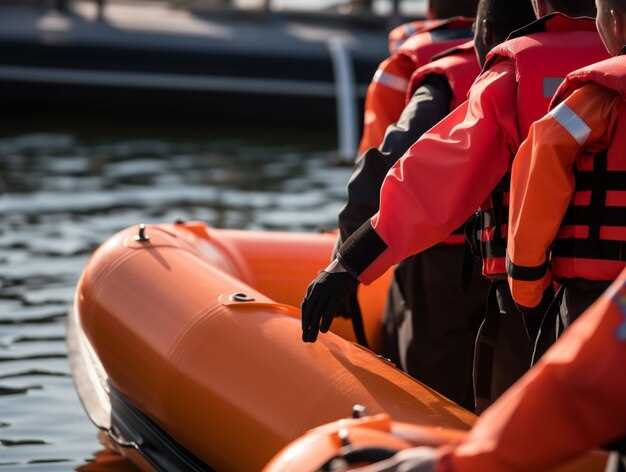
When it comes to boat maintenance, ensuring safety through the use of appropriate personal protective equipment (PPE) is paramount. The marine environment presents unique hazards, and having the right gear can significantly mitigate risks associated with working on boats.
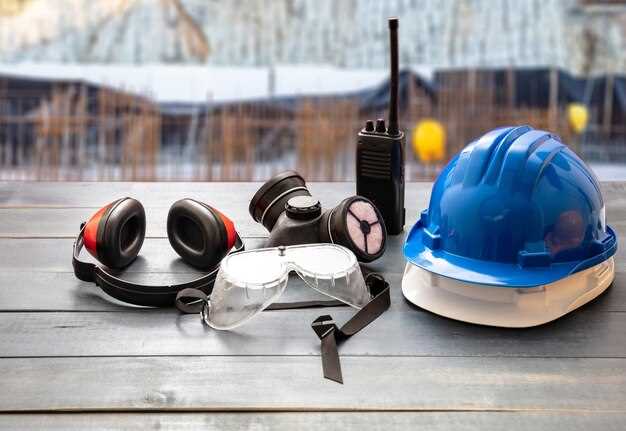
First and foremost, head protection should not be overlooked. Hard hats are essential when performing tasks that involve overhead work or the risk of falling objects. This is especially important when on larger vessels or during maintenance operations on docks or ramps.
Eye protection is another crucial component of PPE. Safety goggles or glasses should always be worn to protect against splashes of hazardous chemicals, such as cleaners and solvents, as well as debris that may be encountered during maintenance tasks. Opting for anti-fog and UV-protective lenses can enhance visibility while working outdoors.
Hearing protection is key when operating loud equipment or machinery. Earplugs or earmuffs are recommended to protect against prolonged exposure to high noise levels, which can lead to hearing loss over time.
Respiratory protection may also be necessary, especially when working with paints, solvents, or other volatile substances. A properly fitted mask or respirator can shield the lungs from harmful fumes and particles, ensuring better health for those engaging in boat maintenance.
Additionally, appropriate hand protection is crucial. Heavy-duty gloves made for marine work can safeguard against cuts, abrasions, and exposure to chemicals. Selecting gloves designed for grip allows for better control and stability while handling various tools and equipment.
Finally, footwear is an essential aspect of PPE. Non-slip, waterproof boots provide traction on wet surfaces and protect against falling objects. It’s important that the footwear is comfortable and provides adequate support for those long hours spent on maintenance tasks.
In summary, investing in the proper personal protective equipment when working on boats is essential for maintaining safety in the marine environment. Comprehensive protection starts with understanding the specific risks involved and equipping oneself with the necessary safety gear to handle various maintenance tasks effectively.
Essential Tools for Safe Docking and Repair
When it comes to boat maintenance, having the right tools is crucial for ensuring safety and efficiency during docking and repair tasks. The marine environment poses unique challenges, requiring specialized equipment to mitigate risks. Here’s a list of essential tools you should have for safe docking and repair:
- Personal Floatation Devices (PFDs): Always wear a PFD while working on or near the water. This is the most critical piece of safety gear.
- Fenders: Use fenders to protect your boat from damage during docking. They cushion the impact between the boat and the dock.
- Dock Lines: High-quality dock lines are necessary for securing your boat at the dock. Ensure they are properly sized and in good condition.
- Boat Hook: This tool helps in maneuvering and retrieving lines from the dock or other boats, minimizing the chances of accidents.
- Tool Kit: A comprehensive toolkit should include pliers, wrenches, screwdrivers, and a multi-tool for various repair tasks.
- Marine Safety Kit: Equip your boat with a safety kit that includes flares, a first aid kit, and a fire extinguisher.
- Multimeter: This tool is essential for diagnosing electrical issues, ensuring safe operation after repairs.
- Anti-Skid Mats: Placing anti-skid mats on deck can prevent slips and falls while working on the boat.
Incorporating these essential tools not only enhances the safety of docking and repair tasks but also streamlines the maintenance process, keeping your marine experience enjoyable and worry-free.
Emergency Kits and Safety Protocols for Marine Environments
For any boat maintenance task, having an efficient emergency kit on board is essential. These kits should be tailored to address potential mishaps that may arise during maintenance activities. A well-stocked emergency kit typically includes first aid supplies, flares, a whistle, a multi-tool, and a fire extinguisher. These items can be critical in ensuring safety for all involved during unforeseen incidents.
Equally important are the safety protocols that must be established and adhered to while working in marine environments. Before commencing any maintenance tasks, it is vital to conduct a thorough risk assessment. This involves evaluating the working conditions, weather, and the operational state of the boat. Crew members should be briefed on the specific safety measures in place, such as the proper use of personal flotation devices and communication protocols in case of emergencies.
Regular safety drills should also be integrated into the maintenance schedule. This ensures that all team members are familiar with the emergency procedures and know how to react in case of an accident. Familiarity with the location of safety equipment and emergency exits on the boat can significantly enhance the safety of maintenance operations.
Moreover, maintaining clear communication channels among the crew during maintenance tasks is crucial. This can help avert accidents and ensure that everyone is aware of their responsibilities. By combining well-organized emergency kits with robust safety protocols, boat owners and crews can significantly mitigate risks associated with maintenance activities.