 By Jorge Lee
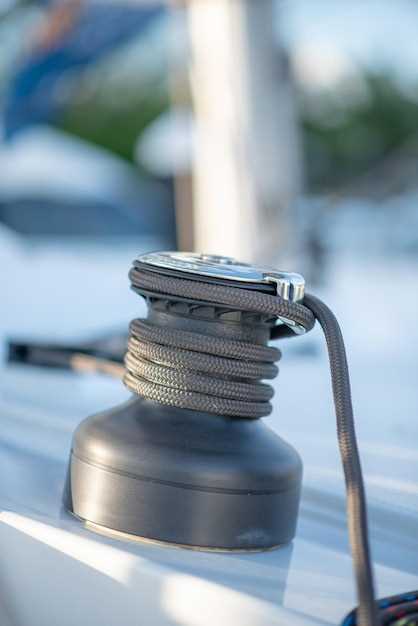
As winter approaches, the importance of winterization for your marine vessel cannot be overstated. Properly preparing your boat for the colder months is essential to prevent damage and ensure its longevity. A well-executed winterization process helps protect critical components from the harsh effects of freezing temperatures and ice formation, ultimately saving you time and money on costly repairs.
To effectively winterize your boat, using quality parts is crucial. Choosing reliable and durable replacement components ensures that your vessel remains safe and functional when spring returns. From antifreeze to engine care, every detail matters in the preservation of your marine investment. This guide will outline essential steps and recommended quality parts to help you winterize your boat effectively.
Embracing a proactive approach to winterization not only safeguards your marine equipment but also enhances your boating experience in the future. Understanding the importance of each winterization step will empower you to take control of your boat care, leading to smoother sailing when the thaw arrives. Let’s dive into the necessary preparations and quality parts that will make this winter season worry-free for your vessel.
Choosing the Right Antifreeze for Your Engine
When winterizing your boat, selecting the appropriate antifreeze for your engine is crucial for maintaining its performance and longevity. Proper winterization is essential to protect against freezing temperatures that can cause significant damage to engine components. The right antifreeze will provide effective protection, ensuring your boat is ready for the next season.
Antifreeze products typically fall into two categories: ethylene glycol and propylene glycol. Ethylene glycol is the most common type used in marine applications, offering excellent freeze protection and corrosion resistance. However, it is toxic and must be handled with care. On the other hand, propylene glycol is considered safer for the environment and is less harmful if spilled. It provides adequate protection for winterization while being a more eco-friendly option.
When choosing antifreeze, always check the manufacturer’s recommendations for your engine. Look for antifreeze that is specifically formulated for marine use, as these products often include additional inhibitors that protect against corrosion and rust, which are critical for the salty or brackish water environments boats operate in.
Additionally, consider the concentration of the antifreeze. A higher concentration will provide better freeze protection, but it is essential to follow the appropriate dilution ratios suggested by the manufacturer to achieve optimal results. Too little antifreeze can lead to freezing, while too much can affect cooling system performance.
In conclusion, selecting the right antifreeze for your boat’s engine is a vital aspect of winterization and overall care. By understanding the types available and following best practices, you can ensure your engine remains safe and functional through harsh winter conditions.
Protecting Your Boat’s Exterior and Interiors from Frost Damage

Winter can be harsh on your boat, especially when it comes to frost damage. To ensure your marine vessel remains in optimal condition, it’s essential to take specific care of both the exterior and interior. Begin with a thorough cleaning of the boat’s surface, removing any dirt or grime that can trap moisture and lead to freezing issues. Utilize a quality wax or sealant to create a protective barrier against the elements.
Covering your boat is another critical step. Use a well-fitted, breathable cover that will prevent accumulated snow and ice while allowing moisture to escape. This will minimize the risk of frost forming on exposed surfaces. Pay special attention to vulnerable areas such as the hull, which can be susceptible to cracking if exposed to low temperatures for prolonged periods.
Inside the boat, check for any leaks or areas where water can accumulate. Utilize a dehumidifier or moisture absorbers to reduce humidity levels in enclosed spaces. It’s also wise to remove any items that could freeze and cause damage, such as electronic devices or sensitive marine equipment. Storing these items indoors will help ensure their longevity.
Don’t forget about your fuel system. Properly winterizing the fuel tank and lines will prevent moisture from creating ice blockages that can impair performance. Adding a fuel stabilizer can also help protect the integrity of the fuel during colder months.
Ultimately, taking these steps not only preserves your boat’s exterior and interior but also enhances its overall longevity and usability when the warmer months return. A little care during winter can lead to greater enjoyment of your marine adventures in the future.
Essential Maintenance Steps for Your Boat’s Electrical Systems

Proper winterization of your boat includes thorough maintenance of its electrical systems to ensure reliable performance when spring arrives. Neglecting this aspect can lead to electrical failures during critical moments on the water. Follow these essential steps for optimal care of your boat’s electrical components.
First, disconnect the batteries and remove them from the boat. Clean the terminals with a non-corrosive solution to prevent oxidation, and store the batteries in a cool, dry place. Keeping them charged throughout the winter helps prolong their lifespan, so consider using a smart charger designed for this purpose.
Next, inspect all wiring and connections for signs of wear or corrosion. Frayed wires can cause shorts and electrical failures, while corroded connections can disrupt power flow. Replace any damaged parts with quality components and ensure that all connections are tight and secure before winterizing.
Additionally, check your boat’s fuses and circuit breakers. Replace any blown fuses and verify that all circuit breakers are functioning correctly. This simple step can prevent future electrical issues and contributes to overall safety.
Don’t forget to test and service your electrical accessories. Ensure that lights, bilge pumps, and navigation equipment function properly. Replace any burnt-out bulbs or faulty parts. By maintaining these systems, you can avoid untimely interruptions during your boating adventures.
Finally, develop a winter maintenance log. Document all repairs and replacements made to your electrical systems. This record will help you keep track of maintenance schedules and identify patterns over time, ensuring your boat remains safe and reliable for many seasons to come.