 By Jorge Lee

The alternator is a crucial component of your vehicle’s electrical system, responsible for charging the battery and powering the electrical systems while the engine is running. When this vital part begins to fail, it can lead to a series of problems that may hinder your vehicle’s performance. Recognizing the early signs of alternator failure can save you from unexpected breakdowns and costly repairs.
One common indication that your alternator may need replacing is when you notice a dim or flickering dashboard light, particularly the battery warning light. This is often a signal that the alternator is struggling to maintain adequate charging of the battery, leading to reduced electrical output. Additionally, if you experience electrical issues with components like headlights or power windows, these can be attributed to a failing alternator.
Another significant sign of a malfunctioning alternator is a dead battery. If your battery frequently dies even after being recharged, it’s possible that your alternator isn’t providing sufficient charging power. Moreover, unusual sounds such as grinding or whining when starting the vehicle can also signal troubles with the alternator, suggesting that the internal components are wearing out. Recognizing these symptoms early can ensure that you take the necessary steps to maintain your vehicle’s reliability.
Recognizing Warning Lights on Your Dashboard
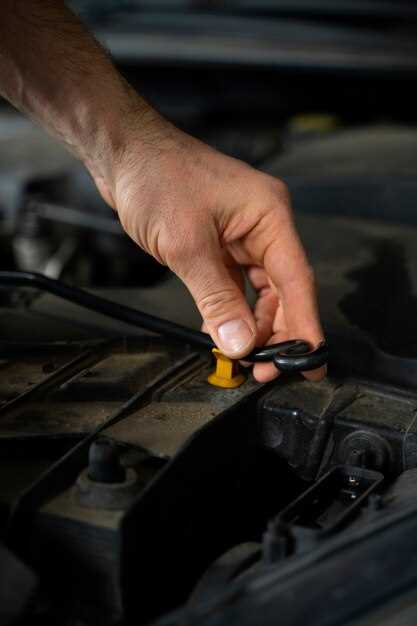
Your car’s dashboard is equipped with various warning lights that serve as indicators of the vehicle’s health. Among these, the battery warning light is crucial when it comes to the alternator’s performance. If this light illuminates while driving, it often suggests potential issues with the charging system, especially the alternator.
Another important light to monitor is the check engine light. While it covers various engine-related problems, a malfunctioning alternator can sometimes trigger this warning. If the alternator is not effectively charging the battery, it may affect engine performance, highlighting the need for inspection.
Additionally, if you notice dimming or flickering headlights, it may be a sign that your alternator is struggling to provide consistent power. This inconsistent charging can lead to further electrical problems and should be addressed promptly.
Finally, if you find that your dashboard lights become unusually bright or if electronic components, such as the radio or power windows, are acting erratically, the alternator’s inability to maintain proper voltage could be the culprit. Understanding these warning signs can help you take action before the alternator fails completely, ensuring your vehicle remains reliable.
Understanding Unusual Noises from the Engine Bay
When it comes to diagnosing potential issues with your vehicle, unusual noises from the engine bay can be a significant indicator, especially concerning the alternator’s health. The alternator plays a crucial role in charging the battery and providing electrical power to the vehicle. Any deviations in its normal operation can lead to various sounds that hint at underlying problems.
If you hear a grinding or whining noise, it could indicate that the alternator bearings are worn out or damaged. This friction can affect its ability to efficiently charge the battery and support the vehicle’s electrical systems. On the other hand, a clicking or popping sound may suggest that the internal components of the alternator are failing, leading to erratic charging and potential battery drain.
Additionally, if you notice a rattling sound, this could signify loose or faulty mounting hardware, which may affect the alternator’s alignment and overall performance. Proper alignment is essential for optimal charging efficiency. Ignoring these noises can result in complete alternator failure, leaving you stranded and requiring costly repairs.
Being attentive to the sounds coming from your engine bay can help you identify issues early on. If you experience these unusual noises, it is wise to have your alternator inspected by a professional to ensure your vehicle continues to operate reliably and efficiently.
Identifying Electrical Issues and Battery Performance Problems
One of the primary roles of the alternator is to ensure that your vehicle’s battery is receiving adequate charging. When this system fails, you may start to notice several signs indicating that your alternator or battery may need to be replaced.
First and foremost, dimming or flickering headlights can be a clear indication of electrical issues. If you find that your lights fluctuate in brightness, it may suggest that the alternator is struggling to maintain the proper voltage. In addition, other electrical components like power windows, dashboard lights, and radio may exhibit irregular behavior, signaling low voltage output.
Another vital sign is the battery warning light on your dashboard. When the alternator is not performing efficiently, the battery may not be charging properly. This warning light is designed to alert you before a complete failure occurs. Ignoring this indicator can lead to complete battery drain, leaving your vehicle unable to start.
Moreover, if your vehicle frequently experiences difficulty starting or requires jump-starts, consider evaluating the charging system. A weak or dead battery can often be a result of inadequate charging from the alternator. Testing the battery voltage with a multimeter can help you determine if the battery is functioning correctly or if it is simply not receiving enough voltage from the alternator.
Finally, if you perform routine maintenance and notice corrosion around battery terminals, it may indicate that the battery is not charging correctly. Corrosion can impede the flow of electricity between the battery and the alternator, suggesting that either component may need replacement.
Addressing these electrical issues promptly can prevent more significant problems down the road. Regularly monitoring your vehicle’s performance not only ensures safety but also extends the lifespan of your battery and alternator.